



When someone you know loses a person they love, the right words rarely turn up on cue. Flowers do something words cannot. They fill a room with care, give the recipient something to look at other than the same four walls, and say "I'm thinking of you" without asking for a reply. Send the wrong thing, though — a towering bouquet of hot-pink lilies arriving at a house in the first raw days of grief — and it can land badly. Getting it right is less about big gestures and more about matching the flowers to the moment.
First, Work Out What the Family Actually Needs
Sympathy flowers come in three broad types, and knowing which one you are choosing makes the rest straightforward.
Flowers for the funeral service
Coffin sprays, letter tributes and large arrangements are usually arranged by immediate family. If you are a friend, neighbour or colleague, a tied sheaf or a pedestal arrangement sent to the service is more usual, and it is perfectly acceptable to ask the funeral director what has already been arranged so yours does not duplicate something else. If the notice says "family flowers only", respect that completely — send a card and make a donation to the named charity instead.
Flowers for the home
A modest, easy-to-arrange bouquet is a gift of comfort rather than display. Think of a household that is tired, distracted and possibly hosting visitors. Low scent, no fuss, nothing that needs assembling in a hurry.
Flowers sent weeks later
This is the arrangement people forget. Once the funeral is over, the cards stop and the house goes quiet. A simple bouquet six weeks on, with a note saying you are still thinking of them, often means more than anything sent on the day.
Colours and Flowers That Work
Colour carries most of the meaning, and the safe ground is soft and quiet:
- Whites and creams — calm, respectful and rarely misread.
- Soft greens and foliage — eucalyptus, ruscus and rosemary, the last traditionally associated with remembrance.
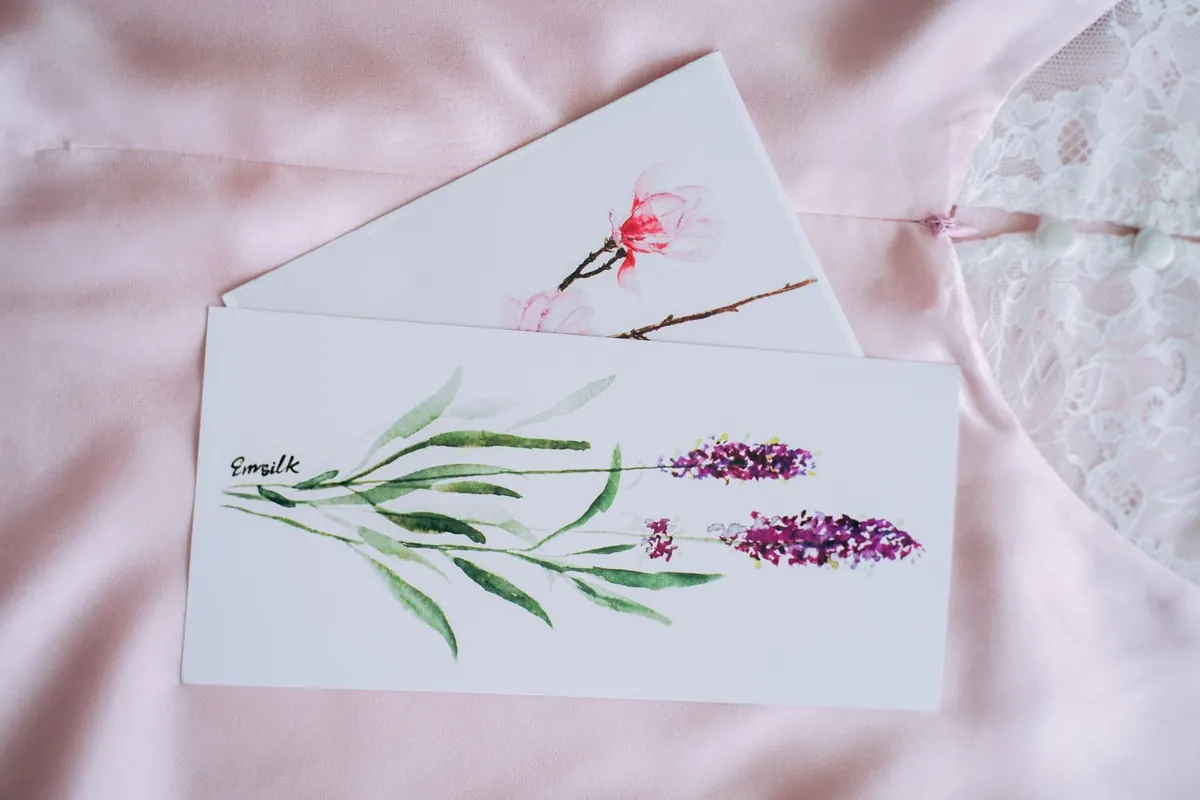
- Muted blues, lavender and pale pink — gentle, personal, a little warmer than all-white.
- Yellow — often read as warmth or a celebration of a long life, particularly if the family has asked for a less formal service.
Chrysanthemums, roses, carnations, freesias, alstroemeria, stocks and gypsophila all suit the occasion and last well. Avoid anything that shouts: vivid red roses suggest romance, hot pink and neon orange feel festive, and dyed or glittered blooms belong elsewhere. Strongly scented lilies are traditional, but think twice before sending them to a hospital or hospice, or to a home where someone has asthma or where there is a cat — lilies are highly toxic to cats, even the pollen.
What to Write on the Card
Keep it short, written in your own voice, and name the person who has died. "I'm so sorry about Margaret. She was so kind to me when I joined the team. Thinking of you all." That does the job far better than a long paragraph.
A few things to leave out: advice, comparisons, and lines like "everything happens for a reason" or "at least she had a good innings". Do not claim you know how they feel. If you want to offer practical help, be specific and only offer what you can genuinely deliver — "I'll drop a meal round on Thursday" is worth more than "let me know if you need anything". And check whether the family would like religious wording before you assume it.
Common Mistakes to Avoid
- Sending an enormous arrangement to a small home with no vases to hand.
- Choosing a wreath when you are not immediate family, or when the family has asked for no formal tributes.
- Ignoring a "family flowers only" request in the funeral notice.
- Sending flowers and nothing else — a card with your full name matters, especially if you are writing on behalf of a group.
- Leaving it too long because you could not find the words. A late bouquet is far better than none.
- Choosing a plant without checking whether the recipient travels, has pets, or wants something long-term to care for.
- Turning up unannounced to deliver flowers in person when the family has asked for privacy.
Delivery, Timing and Small Practicalities
In the first day or two, the family is often dealing with phone calls, paperwork and relatives arriving. If you can, ask a neighbour, a close friend or the funeral director to receive a delivery. Otherwise a florist who can leave the flowers in a porch or with a neighbour is a good choice, with a note through the door.
There is no wrong time to send sympathy flowers after about a week has passed, and plenty of people find that a bouquet arriving after the funeral is the one they remember. Sending is not the only option either: a written card, a cooked meal, or an offer to walk the dog or collect children from school can be just as welcome. If you are worried about how someone is coping, gently suggest they speak to their GP or a bereavement support charity such as Cruse — that is a conversation worth having, however awkward it feels.
If You're Still Unsure, Keep It Simple
When in doubt, send a small arrangement in whites, creams and soft greens, from a local florist, with a short handwritten card and your name clearly on it. Ask the florist for something that is easy to place on a kitchen table without cutting stems or hunting for a vase. Avoid strong perfume, keep the colours quiet, and let the note do the talking.
Grief is not a problem to be solved with the perfect bouquet. The people you are sending to will remember that you thought of them at all, not whether you chose the right shade of ribbon. A thoughtful, modest delivery on a grey Tuesday afternoon will always beat a grand gesture that arrives too late or says the wrong thing.
Photo: Anna Tarazevich / Pexels