



A north-facing room has an unfair reputation. It rarely gets direct sun, so it never bakes, but it is not dark either. What it offers is soft, indirect light that stays fairly consistent through the day, and that suits a surprising number of houseplants. The ones that struggle are desert cacti and sun-hungry flowering plants. The ones that flourish are the forest-floor species grown for their foliage, which evolved in shade beneath a canopy of leaves. Choose from those, match your watering to their slower pace, and a north-facing window becomes one of the most forgiving spots in the house.
Work Out How Much Light You Actually Have
Before buying anything, spend a day noticing the room. North light is cool and even, but its strength depends on more than the direction the window faces.
- Window size and outlook. A large window looking over open ground or a street is far brighter than a small one facing a wall, a courtyard or a tall hedge.
- Distance from the glass. Light falls away quickly with every metre. A plant on the sill can receive several times the light of one on a table two metres back.
- Season. A north window in June is genuinely bright; in December it is dim. Most indoor plants slow down or pause growth over winter, which is normal.
- Surfaces. Pale walls, mirrors and glossy floors bounce light back into a room. Dark walls and heavy curtains swallow it.
A rough test: hold your hand about 30 centimetres above the spot at midday. A soft but visible shadow suggests moderate light, which is plenty for most foliage plants. Barely any shadow means genuinely low light, which narrows your choices to the toughest few.
Houseplants That Cope With North Light
- Snake plant (Dracaena trifasciata, often sold as Sansevieria) — upright, sword-like leaves and a tolerance for long gaps between waterings. Let the compost dry out completely.
- ZZ plant (Zamioculcas zamiifolia) — glossy leaves on thick stems, with water stored in underground rhizomes. Overwatering is the main risk.
- Cast iron plant (Aspidistra elatior) — the most tolerant of the lot. Slow growing, unbothered by neglect and dry air.
- Chinese evergreen (Aglaonema) — patterned leaves that hold their colour in shade, provided the room is not cold.
- Peace lily (Spathiphyllum) — glossy leaves and white spathes even in low light, and it droops visibly when thirsty, which makes it easy to read.
- Spider plant (Chlorophytum comosum) — arching striped leaves that send out babies on long runners. Ideal in a hanging pot.
- Heartleaf philodendron and pothos (Philodendron hederaceum, Epipremnum aureum) — trailing vines that cope with shade. Pinch the tips to keep them bushy.
- Parlour palm (Chamaedorea elegans) — neat and slow growing. Tolerates shade, but prefers compost that never dries out entirely.
- Moth orchid (Phalaenopsis) — bright shade suits it well. Water thoroughly, let it drain, and never leave the pot standing in water.
What to leave on the shelf
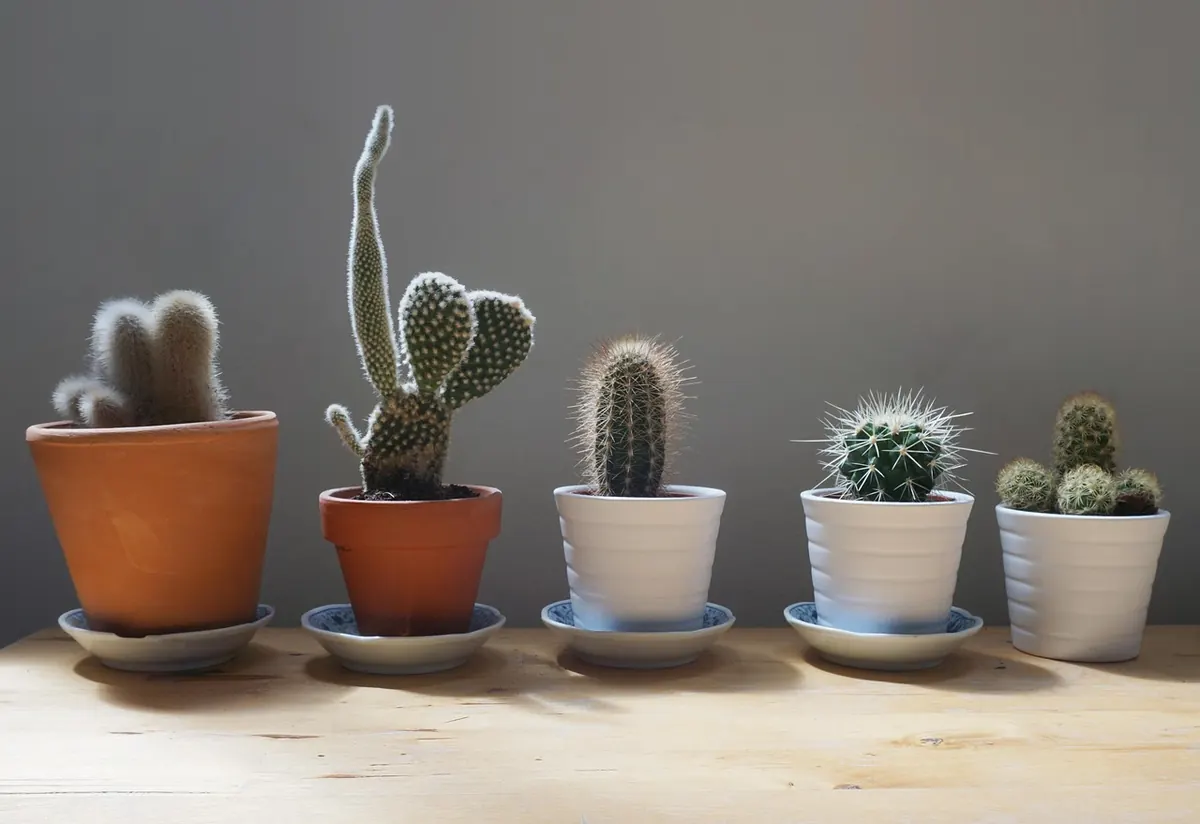
Skip anything that expects strong sun: cacti, most succulents, citrus, lavender, rosemary and thyme, and the fiddle-leaf fig. They may survive for a while, then go pale, leggy and thin as they stretch towards the brightest point in the room. If you want flowers rather than foliage, a peace lily or a moth orchid is a far better bet than a sun-loving flowering plant.
Watering: Less Than You Think
More houseplants die of kindness than of neglect. In low light, plants photosynthesise slowly, use less water and grow less, so their compost stays damp for longer. Watering on a fixed weekly schedule is the most common mistake.
Check the compost first. Push a finger in up to the second knuckle, or use a wooden skewer left in the pot for a few minutes. If it comes out clean and dry, water. If compost clings to it, wait. Lifting the pot also tells you a lot: a light pot is a dry pot.
When you do water, do it properly — pour until water runs out of the drainage holes, then empty the saucer ten minutes later. A little and often is worse than a good soak, because it wets only the surface and leaves the roots below dry. In winter, once a fortnight or even less is often enough for the plants listed above.
If you are unsure whether a plant needs water, wait another two days. In a north-facing room you will rarely be wrong.
Yellowing lower leaves, soft black stems, a sour smell and clouds of tiny flies all point to overwet compost. Brown, crispy edges and wilting leaves point the other way. Terracotta dries out faster than glazed ceramic or plastic, so adjust accordingly.
Humidity, Temperature and Placement
Most of these plants come from humid forest floors, and UK homes are the opposite, particularly in winter with the heating running. Dry air shows up as brown, papery leaf edges, especially on ferns, palms and peace lilies.
- Group plants together so they share the moisture they release.
- Stand pots on a tray of pebbles with water kept below the pebble line. As it evaporates, humidity rises around the leaves.
- Kitchens and bathrooms with windows are naturally more humid, which ferns appreciate.
- Misting gives a brief lift, but wet foliage for hours invites problems. If you mist, do it in the morning.
Keep plants clear of radiators, draughty doorways and single-glazed windowsills in winter. Ordinary room temperatures suit them well, but tropical species dislike anything below about 10°C, and cold, wet compost is a fast route to root rot. Move plants closer to the glass in winter for maximum light, then a little further back in summer.
Feeding, Cleaning and Small Habits
In low light, plants need little food. A diluted liquid feed once a month through spring and summer is usually plenty for foliage plants, and you can stop entirely from late autumn until early spring. Overfeeding builds up salts in the compost and burns roots.
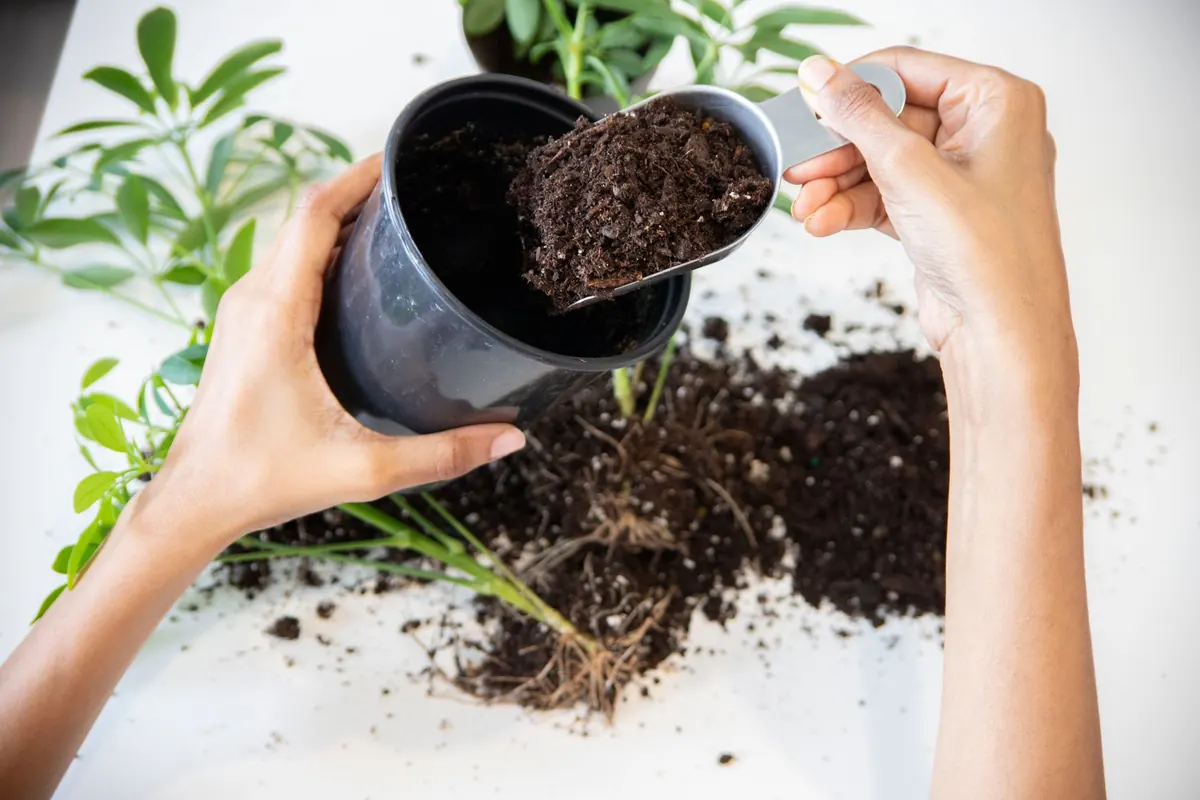
Dust matters more than people expect. A film on a leaf blocks the light the plant is already short of, so wipe smooth leaves with a damp cloth every few weeks and rinse or brush hairy ones. Repot in spring, and only when roots appear at the drainage holes or the compost dries out within a day or two. Going up one pot size is enough.
Two pests are worth knowing. Fungus gnats point to compost that is constantly wet; let the top layer dry and they usually disappear. Spider mites like dry air and show up as fine webbing and speckled leaves, so raise humidity and rinse the foliage.
A Simple Plan for a North-Facing Room
- Choose two or three plants: a bold upright one such as a snake plant or ZZ plant, a trailing pothos, and something leafy like a peace lily or parlour palm.
- Place them close to the window, out of draughts and away from radiators.
- Check the compost before every watering, and expect to water far less between October and March.
- Group them for humidity and wipe the leaves once a month.
- Turn each pot a quarter turn every few weeks so growth stays even rather than leaning.
Give it a full season before judging anything. A plant that looks static in January is often pushing out new leaves by April, and the slower pace of a north-facing room means fewer crises, not more. Start with the toughest two on the list, learn how quickly their compost dries in your home, and add to your collection once you can read the signs.
Photo: KleeAlee / Pixabay